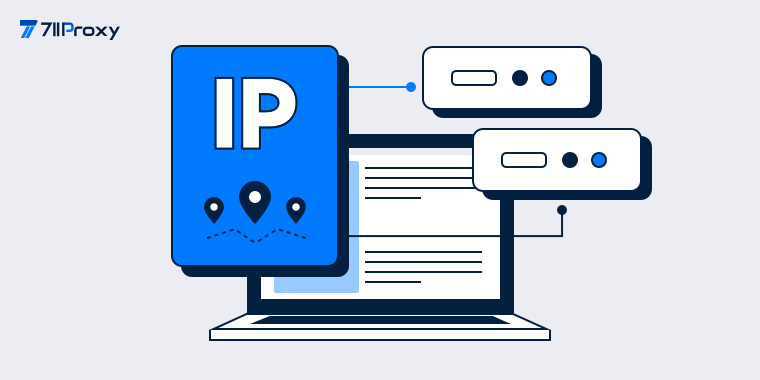
<p style="line-height: 2em;"><span style=";font-family:宋体"><span style="font-family:Calibri">With the popularity of online transactions and e-commerce, online fraud has become increasingly prevalent, posing significant risks to individuals and businesses. In order to improve network security, more and more businesses and organizations are using various technological means to monitor and prevent potential fraud. Among them, IP Fraud Scoring, as a key security measure, is becoming an important tool to protect online transactions.</span></span></p><p style="line-height: 2em;"><span style=";font-family:宋体"><span style="font-family:Calibri"><br/></span></span></p><p style="line-height: 2em;"><span style="font-size: 24px;"><strong><span style="font-family: Calibri;">What is IP Fraud Scoring?</span></strong></span></p><p style="line-height: 2em;"><span style="font-size: 24px;"><strong><span style="font-family: Calibri;"><br/></span></strong></span></p><p style="line-height: 2em;"><span style=";font-family:宋体"><span style="font-family:Calibri">IP Fraud Scoring is a tool based on the analysis of a user's IP address to assess and identify potential fraud. It analyzes a number of factors to determine whether an IP address may be associated with fraudulent activity, such as scams, card skimming, spam, and more. Specifically, the IP Fraud Score considers the following key factors:</span></span></p><ul class=" list-paddingleft-2" style="list-style-type: disc;"><li><p style="line-height: 2em;"><strong><span style=";font-family:宋体"><span style="font-family:Calibri">IP Address History: </span></span></strong><span style=";font-family:宋体"><span style="font-family:Calibri">Whether an IP address has been associated with known fraudulent behavior, such as having been used by hackers or having been used for malicious activity.</span></span></p></li><li><p style="line-height: 2em;"><strong><span style=";font-family:宋体"><span style="font-family:Calibri">Geographic location: </span></span></strong><span style=";font-family:宋体"><span style="font-family:Calibri">The geographic location of the IP address. If a user from an uncommon location attempts to conduct large-scale transactions or access sensitive data, it may be labeled as high risk.</span></span></p></li><li><p style="line-height: 2em;"><strong><span style=";font-family:宋体"><span style="font-family:Calibri">Anonymity: </span></span></strong><span style=";font-family:宋体"><span style="font-family:Calibri">Users who use VPNs or proxies may increase the probability of being flagged as a fraud risk, as these technologies are often used to hide real identities.</span></span></p></li><li><p style="line-height: 2em;"><strong><span style=";font-family:宋体"><span style="font-family:Calibri">Frequency and pattern of access: </span></span></strong><span style=";font-family:宋体"><span style="font-family:Calibri">An IP address that makes a large number of requests in a short period of time, or whose behavioral pattern differs from that of a normal user, may also be considered a potential source of fraud.</span></span></p></li></ul><p style="line-height: 2em;"><span style=";font-family:宋体"><span style="font-family:Calibri">By analyzing all of these factors together, the IP Fraud Score can help organizations identify and prevent possible fraud in a timely manner and reduce losses.</span></span></p><p style="line-height: 2em;"><span style=";font-family:宋体"><span style="font-family:Calibri"><br/></span></span></p><p style="line-height: 2em;"><span style="font-size: 24px;"><strong><span style="font-family: Calibri;">Why is IP Fraud Scoring important?</span></strong></span></p><p style="line-height: 2em;"><span style="font-size: 24px;"><strong><span style="font-family: Calibri;"><br/></span></strong></span></p><ul class=" list-paddingleft-2" style="list-style-type: disc;"><li><p style="line-height: 2em;"><strong><span style=";font-family:宋体"><span style="font-family:Calibri">Improved Recognition:</span></span></strong><span style=";font-family:宋体"><span style="font-family:Calibri"> IP Fraud Scoring helps organizations determine the presence of fraud more accurately, identifying potential security threats at an earlier stage than traditional password-based protection.</span></span></p></li><li><p style="line-height: 2em;"><strong><span style=";font-family:宋体"><span style="font-family:Calibri">Reduce Fraudulent Transactions and Financial Losses: </span></span></strong><span style=";font-family:宋体"><span style="font-family:Calibri">By accurately determining which IP addresses pose a higher risk of fraud, organizations can decline or increase scrutiny of certain transactions, thereby reducing fraudulent transactions, financial losses, and damage to brand reputation.</span></span></p></li><li><p style="line-height: 2em;"><strong><span style=";font-family:宋体"><span style="font-family:Calibri">Enhanced User Experience: </span></span></strong><span style=";font-family:宋体"><span style="font-family:Calibri">While fraud prevention is key, excessive security measures can also impact the experience of legitimate users, and IP Fraud Scoring helps organizations balance security and user experience to minimize harm to legitimate users.</span></span></p></li></ul><p style="line-height: 2em;"><span style=";font-family:宋体"><span style="font-family:Calibri"><br/></span></span></p><p style="line-height: 2em;"><span style="font-size: 24px;"><strong><span style="font-family: Calibri;">How can you incorporate proxy IP to improve prevention?</span></strong></span></p><p style="line-height: 2em;"><span style="font-size: 24px;"><strong><span style="font-family: Calibri;"><br/></span></strong></span></p><p style="line-height: 2em;"><span style=";font-family:宋体"><span style="font-family:Calibri">IP proxy services, particularly residential proxies and data center proxies, can help organizations enhance their anti-fraud capabilities in a number of ways. By using proxy IP, enterprises can effectively prevent hackers from committing fraud by spoofing IP addresses, especially in scenarios such as cross-border e-commerce and financial transactions. The following are strategies on how to use proxy IP to optimize IP fraud scoring.</span></span></p><ul class=" list-paddingleft-2" style="list-style-type: disc;"><li><p style="line-height: 2em;"><strong><span style=";font-family:宋体"><span style="font-family:Calibri">Prevent anonymous access: </span></span></strong><span style=";font-family:宋体"><span style="font-family:Calibri">When using proxy IP, traffic from anonymous or potentially risky proxy servers can be screened and blocked, ensuring that only real users have access to the site.</span></span></p></li><li><p style="line-height: 2em;"><strong><span style=";font-family:宋体"><span style="font-family:Calibri">Avoid malicious IP addresses:</span></span></strong><span style=";font-family:宋体"><span style="font-family:Calibri"> By partnering with an IP fraud scoring service, organizations can identify and block requests from known malicious IP addresses in real time, increasing security.</span></span></p></li><li><p style="line-height: 2em;"><strong><span style=";font-family:宋体"><span style="font-family:Calibri">Reduced Exposure:</span></span></strong><span style=";font-family:宋体"><span style="font-family:Calibri"> By using a distributed proxy network, organizations can spread user traffic across multiple IP addresses, reducing the impact on overall security if a single IP address fails.</span></span></p></li></ul><p style="line-height: 2em;"><span style=";font-family:宋体"><span style="font-family:Calibri"><br/></span></span></p><p style="line-height: 2em;"><span style=";font-family:宋体"><span style="font-family:Calibri">As online fraud continues to evolve, traditional protection measures often struggle to meet the demands of efficient, comprehensive security. ip fraud scoring is an innovative protection technology that provides organizations with more accurate fraud identification and prevention solutions, and the use of proxy IP services makes this process smarter and safer. The combination of IP Fraud Scoring and Proxy IP is a smart choice for organizations that want to protect themselves from the risk of fraud while also improving the user experience.</span></span></p><p><br/></p>














'%3e%3cg%20id='ic/首页/向上'%20transform='translate(377,%20156)%20scale(1,%20-1)%20rotate(-90)%20translate(-377,%20-156)translate(370,%20149)'%3e%3crect%20id='矩形'%20x='0'%20y='0'%20width='14'%20height='14'%3e%3c/rect%3e%3cpolyline%20id='路径'%20stroke='%23042040'%20transform='translate(7,%207.5)%20scale(1,%20-1)%20translate(-7,%20-7.5)'%20points='12%205%207%2010%202%205'%3e%3c/polyline%3e%3c/g%3e%3c/g%3e%3c/g%3e%3c/svg%3e)