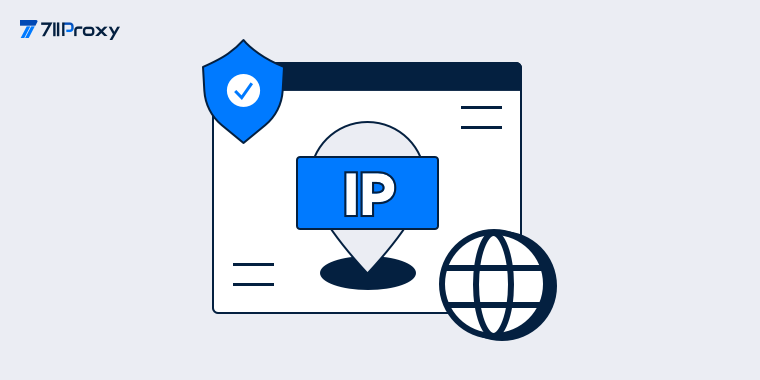
<p style="line-height: 2em;"><span style="font-size: 16px;">When using residential proxies for web data access, IP address bans are a common phenomenon. Understanding the underlying logic of these bans and mastering the core methods to avoid them are essential for ensuring stable proxy usage.</span></p><p style="line-height: 2em;"><span style="font-size: 16px;"> </span></p><h2 style="line-height: 2em;"><strong><span style="font-size: 24px;">The Core Impact of IP Type and Reputation</span></strong></h2><p style="line-height: 2em;"><span style="font-size: 16px;"> </span></p><p style="line-height: 2em;"><span style="font-size: 16px;">IP type is a fundamental verification dimension of risk control systems. <a href="https://www.711proxy.com/residential-proxies-gb" target="_self" style="color: rgb(0, 176, 240); text-decoration: underline;"><span style="font-size: 16px; color: rgb(0, 176, 240);">Residential proxies</span></a> originate from legitimate internet service provider assignments, featuring dispersed IP distribution and good stability, which naturally grants them higher reputation. Datacenter proxies, on the other hand, are concentrated within data centre IP ranges with clearly identifiable ownership information, making them easily flagged.</span></p><p style="line-height: 2em;"><span style="font-size: 16px;"> </span></p><p style="line-height: 2em;"><span style="font-size: 16px;">Since most platforms maintain IP blacklist databases, data centre IP ranges are often subject to outright restrictions due to historical abuse records. In contrast, residential proxies, which originate from authentic sources and carry lower basic risk control concerns, can reduce the risk of bans from the outset.</span></p><p style="line-height: 2em;"><span style="font-size: 16px;"> </span></p><h2 style="line-height: 2em;"><strong><span style="font-size: 24px;">Access Behaviour and Frequency</span></strong></h2><p style="line-height: 2em;"><span style="font-size: 16px;"> </span></p><p style="line-height: 2em;"><span style="font-size: 16px;">Abnormal access behaviour is a primary cause of IP bans. Risk control systems monitor request frequency in real time. High-frequency requests within a short period are identified as abnormal traffic and subsequently restricted. At the same time, mechanical requests at fixed intervals and operations lacking a natural rhythm are also recognised as irregular access patterns, which may trigger temporary or permanent access limitations.</span></p><p style="line-height: 2em;"><span style="font-size: 16px;"> </span></p><p style="line-height: 2em;"><span style="font-size: 16px;">Although residential proxies enjoy good reputations, high-frequency and irregular usage can still trigger a platform's rate-limiting strategies. Therefore, when using residential proxies, it is necessary to reasonably control request intervals and adopt a more natural access rhythm to reduce the likelihood of triggering risk controls.</span></p><p style="line-height: 2em;"><span style="font-size: 16px;"> </span></p><h2 style="line-height: 2em;"><strong><span style="font-size: 24px;">Device Fingerprint and Environmental Consistency</span></strong></h2><p style="line-height: 2em;"><span style="font-size: 16px;"> </span></p><p style="line-height: 2em;"><span style="font-size: 16px;">Modern risk control systems employ multi-dimensional comprehensive verification, with device fingerprinting serving as a key component. Browser fingerprints encompass dozens of characteristics, including time zone, fonts, and network protocols. Even after changing the IP address, inconsistent fingerprint information can still lead to a risk determination.</span></p><p style="line-height: 2em;"><span style="font-size: 16px;"> </span></p><p style="line-height: 2em;"><span style="font-size: 16px;">Furthermore, the degree of alignment between IP geolocation and a user account's historical login locations, as well as the stability of the network environment, are all incorporated into risk assessment. When using residential proxies, it is important to maintain a stable device environment and synchronise the IP location with browser parameters such as time zone and language, thereby reducing the risk of verification failure.</span></p><p style="line-height: 2em;"><span style="font-size: 16px;"> </span></p><h2 style="line-height: 2em;"><strong><span style="font-size: 24px;">IP History and Associated Risks</span></strong></h2><p style="line-height: 2em;"><span style="font-size: 16px;"> </span></p><p style="line-height: 2em;"><span style="font-size: 16px;">An IP address's historical usage record directly determines its reputation level. If an IP has previously been used for prohibited operations, it will be flagged by platforms and continuously associated with risk, potentially leading to cascading bans even for subsequent legitimate use. At the same time, operating multiple accounts under the same IP can trigger association detection, as platforms determine whether bulk operations are taking place based on the binding relationship between IP and accounts.</span></p><p style="line-height: 2em;"><span style="font-size: 16px;"> </span></p><p style="line-height: 2em;"><span style="font-size: 16px;">When using proxy IPs, it is advisable to prioritise clean IP resources and avoid sharing the same IP across multiple accounts, thereby blocking the path of risk transmission.</span></p><p style="line-height: 2em;"><span style="font-size: 16px;"> </span></p><h2 style="line-height: 2em;"><strong><span style="font-size: 24px;">711Proxy: A Stable and Reliable Choice</span></strong></h2><p style="line-height: 2em;"><span style="font-size: 16px;"> </span></p><p style="line-height: 2em;"><span style="font-size: 16px;">As a professional residential proxy service provider, 711Proxy offers IP resources all sourced from legitimate ISP assignments. With over 100 million real residential IPs covering more than 200 countries and regions worldwide, each IP undergoes rigorous screening to ensure resource cleanliness, reducing the risk of bans caused by historical reputation issues from the very source.</span></p><p style="line-height: 2em;"><span style="font-size: 16px;"> </span></p><p style="line-height: 2em;"><span style="font-size: 16px;">In practice, 711Proxy supports both rotating and sticky sessions, helping users adjust their usage rhythm according to the access restrictions of target platforms. The professional, real-time online customer support team is always available to respond to technical inquiries and configuration issues during use, assisting users in completing their tasks efficiently.</span></p><p style="line-height: 2em;"><span style="font-size: 16px;"> </span></p><h2 style="line-height: 2em;"><strong><span style="font-size: 24px;">Conclusion and Recommendations</span></strong></h2><p style="line-height: 2em;"><span style="font-size: 16px;"> </span></p><p style="line-height: 2em;"><span style="font-size: 16px;">Understanding the underlying principles of proxy IP bans is the foundation for the proper use of proxy resources. Choosing a reliable proxy IP service provider from the outset, combined with standardised usage practices, can effectively reduce the probability of being banned and ensure stable and continuous business operations.</span></p><p style="line-height: 2em;"><span style="font-size: 16px;"> </span></p><p style="line-height: 2em;"><span style="font-size: 16px;">Visit the <a href="https://www.711proxy.com/" target="_self" style="text-decoration: underline; font-size: 16px; color: rgb(0, 176, 240);"><span style="font-size: 16px; color: rgb(0, 176, 240);">711Proxy</span></a> official website today to select the proxy solution that suits your needs and experience stable, reliable residential proxy services.</span></p><p><br/></p>











'%3e%3cg%20id='ic/首页/向上'%20transform='translate(377,%20156)%20scale(1,%20-1)%20rotate(-90)%20translate(-377,%20-156)translate(370,%20149)'%3e%3crect%20id='矩形'%20x='0'%20y='0'%20width='14'%20height='14'%3e%3c/rect%3e%3cpolyline%20id='路径'%20stroke='%23042040'%20transform='translate(7,%207.5)%20scale(1,%20-1)%20translate(-7,%20-7.5)'%20points='12%205%207%2010%202%205'%3e%3c/polyline%3e%3c/g%3e%3c/g%3e%3c/g%3e%3c/svg%3e)